

Future of Worker Advocacy
Workers need help to get the justice they deserve. We need both more advocates with the background and expertise to earn workers’ trust and get justice, and more support and new tools for workers who have to navigate the justice system alone.
Access to Justice
We need to make it easier for lawyers to get justice for more workers, but there will always be some workers for whom their claim is too small for a lawyer, legal aid may not provide help, and there is no class or mass action to join. For those workers, whether their wages have been stolen or they have been discriminated against, more support and more tools are needed so they can navigate the system on their own or with appropriate help from community-based workers who are not lawyers.
Building the Plaintiffs’ Employment Bar
Working closely with our partner organization, the National Employment Lawyers Association (NELA), NIWR cultivates new generations of lawyers who are dedicated to representing workers. Our fellowship and scholarship programs reflect our enduring commitment to ensuring that workers receive high-quality legal representation to enforce their workplace rights.
Paul H. Tobias Attorney Fellowship Program
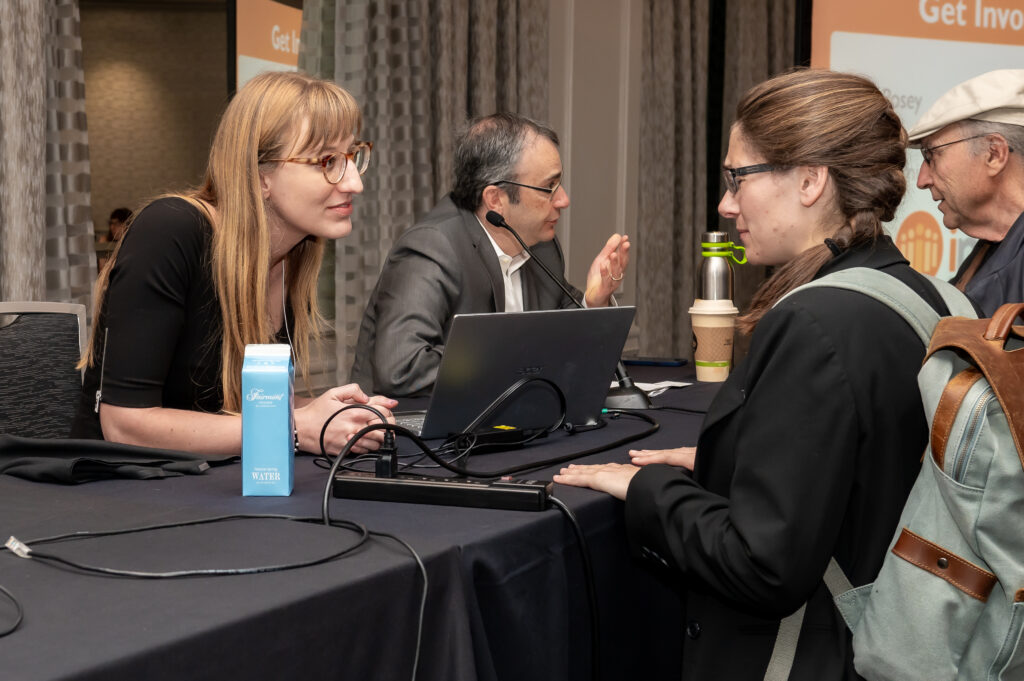
The Tobias Attorney Fellowship Program is named for Paul H. Tobias, NELA’s beloved Founder and a pioneer in the field of plaintiffs’ employment law. For more than 50 years, Paul was the source of boundless inspiration for workers’ rights advocates everywhere with a passion for employment law arising from a deep desire to help individuals. The Tobias Fellowship offers a new lawyer who embodies Paul’s indomitable spirit the opportunity to work on cutting-edge initiatives at NIWR. We are no longer accepting applications for the 2026-2027 Tobias Attorney Fellowship.
The Workers’ Rights Advocacy Scholarship Program
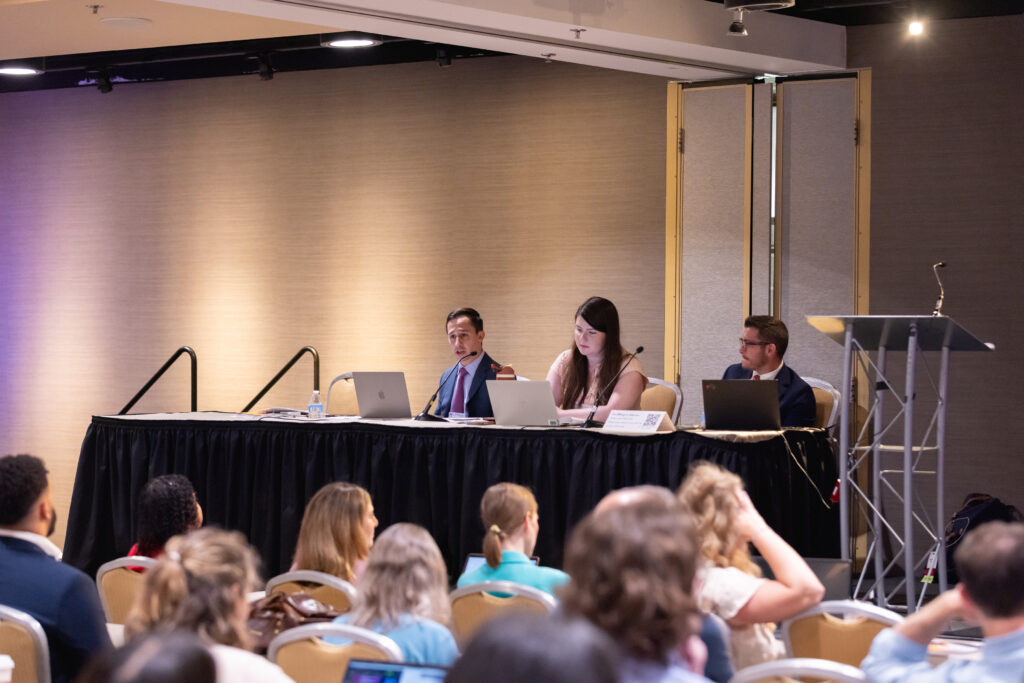
The Workers’ Rights Advocacy Scholarship Program represents the shared commitment of NIWR and NELA that all workers—especially those most vulnerable to illegal employment practices—receive expert legal representation when they are unlawfully mistreated in the workplace. NELA’s renowned continuing legal education (CLE) programs are designed specifically by and for attorneys who represent employees in cases involving employment discrimination, wage and hour violations, and other employment-related matters. The Scholarship Program makes these educational opportunities accessible to workers’ rights advocates, including public interest, legal services, and private practitioners, who otherwise would not be able to attend them without financial assistance. For more information, including an application, please send an email to .
Advocates from Diverse Backgrounds
Lawyers who represent workers, particularly in matters like discrimination or wage theft against immigrant workers, need to be skilled at understanding their clients’ perspectives and earning their trust. To strengthen this important segment of the legal profession, we need more lawyers from diverse backgrounds in what has traditionally beenand sadly is still to a large extent—an overwhelmingly white and male profession of people from relatively privileged backgrounds.
The National Institute for Workers’ Rights partners with the National Employment Lawyers Association and other organizations to make an impact on this critical issue.
Help Shape the Future of Worker Advocacy
Whether you’re a seasoned advocate, a law student finding your path, or a community leader driving systemic change, your voice matters. The future of worker advocacy depends on bold collaboration, inclusive leadership, and a shared commitment to justice. Contact us to get involved.
Looking for Legal Assistance?
NIWR does not provide legal advice or make legal referrals. If you believe you have been treated unfairly in the workplace, you can search for a qualified attorney through the National Employment Lawyers Association’s Find-A-Lawyer Service.
By The Numbers
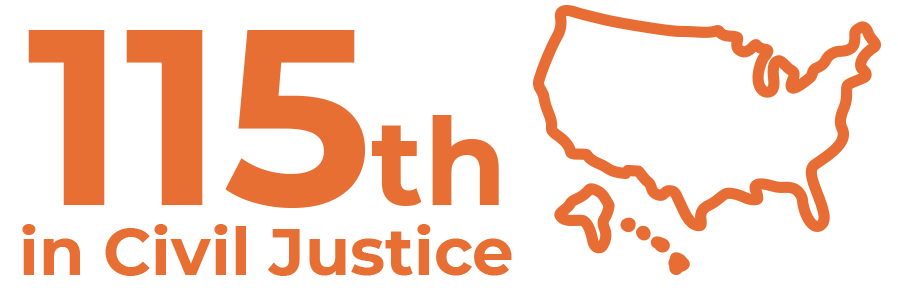
Among 140 countries, the United States is ranked 115th in the affordability and accessibility of civil justice, and dead last among higher-income countries. (World Justice Project 2022)

Fewer than 1% of employees who perceive they were discriminated against file a charge with the EEOC, and only 15% of EEOC charges lead to the filing of a lawsuit. (American Bar Foundation 2017)

In recent years, workers have had to wait more than 500 days on average for their wage theft claims to be resolved by the California Labor Commissioner’s office. (CalMatters 2022)

Wage theft judgments are often difficult to collect. In fact, one study of California data indicated that only one in seven employers had paid in full five years after the judgment. (CalMatters 2022)
Other Issues

Support Our Work
invest in the future of workers’ rights advocacy. Support the Institute today.